
Menopause: What We Carry, What Changes, and How Nutrition Can Help
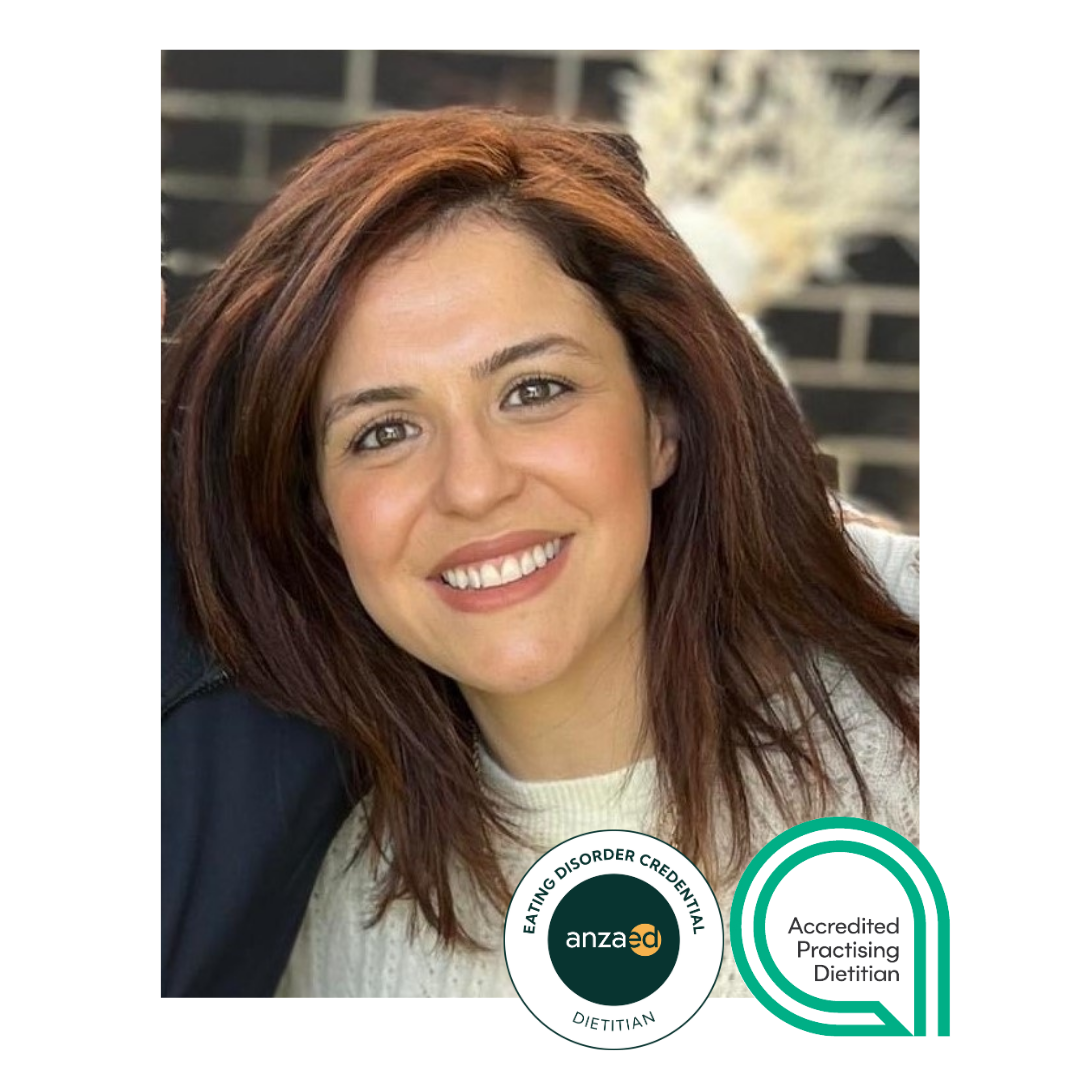

By Viviane Rhayem - Accredited Practicising Dietitian and Credentialed Eating Disorder Clinician
Menopause: What We Carry, What Changes, and How Nutrition Can Help
When we talk about menopause, the conversation often focuses on what women are “losing”: hormonal stability, menstrual cycles, fertility, and sometimes a sense of predictability in their own bodies.
But I want to begin this conversation somewhere different.
What have women already gained by the time they reach midlife?
By this stage, many women have developed strengths that extend far beyond physical changes:
Wisdom through lived experience — shaped by relationships, careers, family, challenges and personal growth.
Self-acceptance — a clearer understanding of who they are, what matters to them and what they are no longer willing to compromise.
Emotional awareness — a greater ability to recognise feelings, navigate complexity and respond with perspective.
Resilience — the capacity to adapt, seek support, recover and begin again.
Clarity of values — a stronger sense of where to invest their time and energy.
A stronger voice — greater confidence in expressing their needs, setting boundaries and advocating for their wellbeing.
Of course, these qualities do not automatically come with age, and every woman's journey is different. But we can agree that Menopause changes physiology; it does not erase identity, experience or worth.
That being said, empowerment also means acknowledging and respecting the very real physiological changes that occur during this transition. Fluctuating and declining oestrogen levels contributes to changes in menstrual patterns, sleep and temperature regulation, including hot flushes and night sweats. Menopause is also associated with accelerated bone loss, while changes in body composition and fat distribution may occur during midlife. Cardiovascular risk factors, including cholesterol levels, can also change.
These experiences vary between individuals and reflect a combination of hormonal changes, ageing, genetics, lifestyle and medical history.
This is where Nutrition becomes an important part of the conversation. While nutrition cannot prevent every menopausal change or replace medical treatment when needed, it is an evidence-based way to support bone health, cardiovascular health, muscle maintenance, metabolic health and overall wellbeing throughout this stage of life.
Approaching menopause through restriction, fear of weight gain or the pursuit of a particular body shape has often failed women during this transition. So, let's explore the nutritional priorities that can help women nourish their bodies and protect their long-term health during this stage of life.
Key Nutritional Goals During Menopause
Nourish your body consistently: Focus on regular, balanced meals that provide adequate energy and essential nutrients, rather than restrictive diets or rigid food rules.
Prioritise protein: Include a variety of protein-rich foods throughout the day to support muscle maintenance, strength and physical function as you age.
Protect your bone health: Ensure adequate calcium and vitamin D intake to support bone strength and reduce the risk of osteoporosis, alongside appropriate weight-bearing and resistance exercise.
Support your cardiovascular health: Embrace a heart-friendly eating pattern rich in vegetables, fruit, wholegrains, legumes, nuts, seeds and unsaturated fats to support healthy cholesterol levels and overall cardiovascular wellbeing.
Care for your gut and metabolic health Include a variety of fibre-rich plant foods to promote bowel regularity, support gut health and help maintain healthy blood glucose and cholesterol levels.
Look beyond nutrition alone: Combine nourishing eating habits with regular physical activity, restorative sleep, stress management and appropriate medical care to support your health and quality of life throughout the menopausal transition.
Ultimately, the goal is not to fight your body's changes, but to nourish it with intention, protect your long-term health and support your wellbeing through this new stage of life.
Menopause is a physiological transition, not a personal failure. Our bodies may change, but our worth does not.
To find out more reach out to us to arrange a chat with our wonderful Dietitian Viviane on (02) 9555 4810 or email info@treatyourselfwell.com.au 💛


Comments